

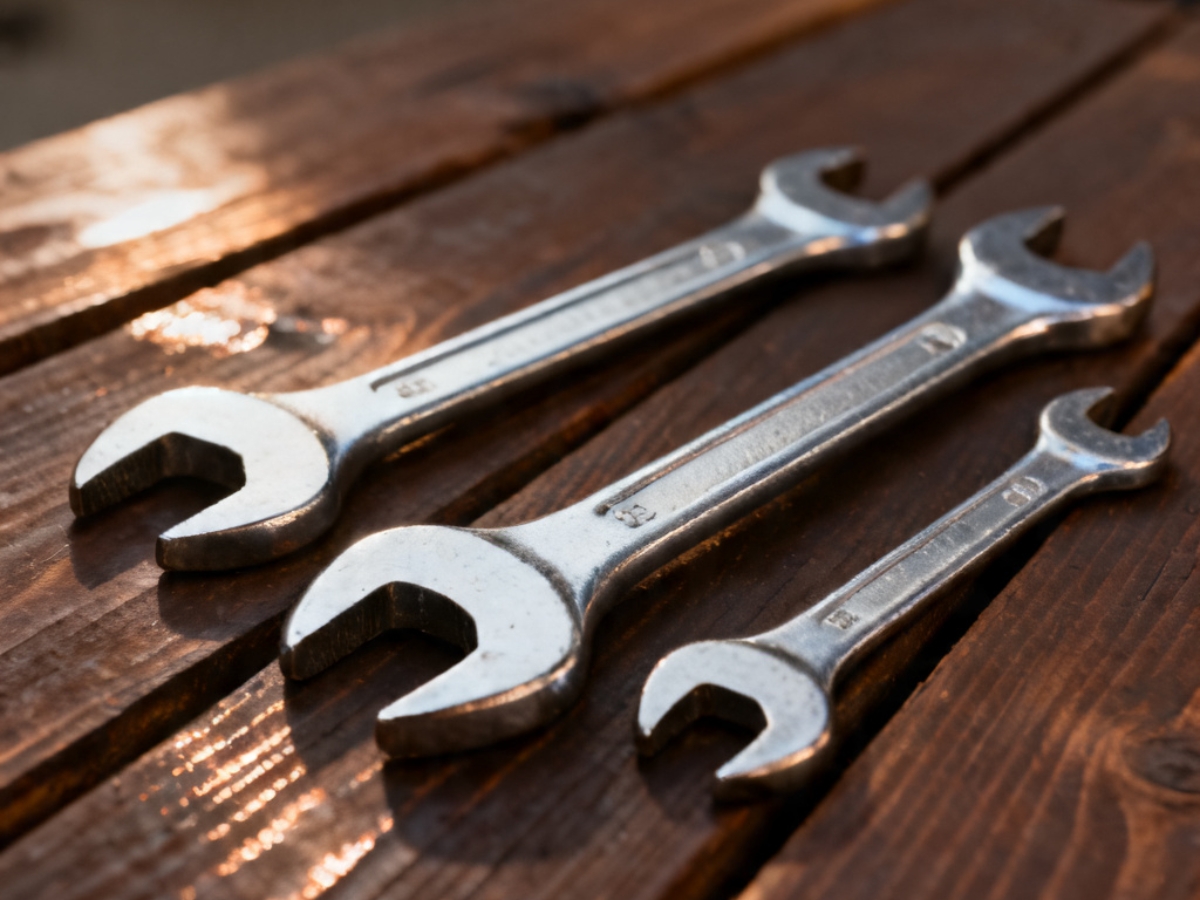

Let us have a real conversation about something every tradie is supposed to know but doesn’t always act on: workshop safety. Not the clipboard-waving kind – the practical kind that keeps you going home always with the same number of fingers you started with.
Workshops are brilliant places, but they can also go sideways fast without the right setup. Sparks, sharp edges, heavy gear, chemical fumes – they can all happen in workshops.
Having the right workshop tools and accessories in place, and actually using them, is what differentiates a safe workshop from a dangerous one. At Norva Tools, we have been supplying Australian tradespeople with genuine, quality workshop tools for years – and that includes safety. In fact, safety gear is a big part of what you will find in our workshop tools-for-sale range. Let us walk through what safety tools and accessories every workshop needs.
Must Have Safety Equipment in Workshops
Personal protective equipment (PPE) is first, which include safety glasses, hearing protection, gloves, steel-capped boots, and a dust mask or respirator. These need to be within arm’s reach, not buried in a corner. Beyond PPE, a solid workshop needs good ventilation, adequate lighting, a current fire extinguisher, a stocked first aid kit, and a clear emergency exit.
RCDs protecting your power points are essential if you are running multiple workshop tools off the same circuit. One more thing – a worn-out or damaged tool is a safety hazard in itself. Keeping your workshop tools in good condition and replacing anything past its best is part of the essentials list, not an afterthought. Eye protection is of topmost importance.
Flying debris, sparks, and chemical splashes can cause permanent damage to the eye/s in an instant. Safety glasses or goggles rated to Australian Standard AS/NZS 1337 are what is needed while working in a workshop.
Hearing protection is easy to skip until the ringing starts and doesn’t stop. Noise-induced hearing loss is permanent. If you are regularly running angle grinders, compressors, or impact tools, earmuffs or earplugs rated to AS/NZS 1270 are a must.
Respiratory protection matters more than most people think. Dust, welding fumes and solvent vapours do real damage over time. A P2 dust mask handles everyday workshop dust; more hazardous work calls for a proper half-face or full-face respirator. Round it out with cut-resistant gloves and steel-capped boots where the job demands it.
Essential Safety Tools and Accessories for Workshops
Workshop safety isn’t only about what you wear – it should be built into the workshop tools and equipment you choose and use. Guards are a big one. Blade guards, disc guards, wheel guards – removing them for convenience is one of the most common shortcuts that increases the chances of injury. Push sticks and featherboards for bench saws keep your hands away from blades while maintaining control.
Use them every time, no exceptions. Clamps and bench vices prevent workpieces from shifting or kicking back mid-job, which is one of the most frequent causes of workshop injuries. Anti-fatigue matting reduces the tiredness that causes mistakes during long days. And fire safety accessories, which include a fire blanket, a properly rated extinguisher, and a spill kit if you are working with oils or solvents, are equipment on which people tend to underinvest until something goes wrong.
Safety in a Workshop is a Legal Need
In Australia, the Work Health and Safety Act applies whether you are a sole operator in your shed or running a team of twenty. The specifics vary by state, but the core obligations are consistent: identify hazards, control risks, and maintain a safe working environment.
For most trade workshops, that means task-appropriate PPE, guarding on all machinery with moving parts, RCD protection, fire suppression equipment, clear hazard signage, and documented safe work procedures. If you employ people, a formal risk assessment is a legal requirement. If you are flying solo, it is still needed.
A practical note: keeping your workshop tools and equipment properly maintained is itself a legal obligation. Damaged or unserviceable tools shouldn’t be in use. Safe Work Australia’s website is worth a proper read for the specifics that apply to your situation.
Workshop Safety Checklist Items
A checklist is only useful if you actually use it. Keep it short, keep it visible, and run through it at the start of every day. Here is a brief and solid workshop safety checklist. All PPE should be available and in good condition. Machine guards are fitted and working on all relevant workshop tools. Walkways and work surfaces are clear of clutter and trip hazards. Power tools and leads were visually checked for damage.
Fire extinguisher and first aid kit in their designated spots. Ventilation sorted for the day’s tasks. Hazardous materials are stored and labelled correctly. Emergency contacts are posted where everyone can see them. Running through the checklist for five minutes at the start of each day can increase the safety in the workshop. Worth adding to that list: are your workshop tool boxes organised and secured? Loose tools left on benches or in walkways are a surprisingly common trip and potential injury hazard.
Role of Workshop Safety Equipment
Placing safety equipment into categories makes it easier to spot gaps in your setup. PPE covers eye and hearing protection, respirators, gloves, footwear, and task-specific clothing. Machine safety equipment includes guards, emergency stops, interlocks, and two-hand controls – these are part of your workshop tools and equipment setup from day one, not optional extras.
Electrical safety tools cover RCDs, insulated hand tools, voltage testers, and lockout/tagout systems. Fire and chemical safety includes fire extinguishers, fire blankets, eyewash stations, spill kits, and compliant flammable storage. Environmental control equipment includes dust extraction, fume arms, and general ventilation.
Finally, ergonomic equipment like trolleys, engine hoists, and anti-fatigue matting reduces the physical strain that builds up over time. Well-organised workshop tool boxes are also needed – when your tools are stored logically, you are not reaching awkwardly or hunting for equipment mid-job.
Common Workshop Hazards and Prevention Tools
Hazards in workshops follow predictable patterns. Here is what to watch for and what addresses each one. Flying particles from grinding, cutting, or sanding are best handled by safety glasses, face shields, and the guards on your workshop tools – don’t skip either. Noise damage is cumulative and permanent; consistently using earmuffs is a simple fix.
Whether you are browsing workshop tools for sale for the first time or upgrading an existing setup, always check that the tools you choose come with the appropriate guards and safety features included.
Cuts and lacerations happen when tools aren’t stored safely or hands get too close to blades. Cut-resistant gloves help, but well-organised workshop tool boxes that keep sharp tools secure – not loose in a drawer – help more.
Slips and trips are addressed with anti-slip matting, tidy cable management, and good lighting. Electrical hazards are managed with RCDs and regular lead inspections. Fire risks are controlled through a tidy workspace, correct chemical storage, and a properly rated extinguisher.
How Safety Accessories Reduce Workshop Accidents
Here is the part that often gets missed: safety accessories aren’t a cost. They are essentials involving a very clear return. They work in three ways. First, as physical barriers between you and the hazard – a blade guard, a face shield, a pair of quality gloves, etc.
Second is their utility in damage limitation if something does go wrong – for example, safety glasses absorbing a flying fragment that would otherwise have ended a career. Thirdly, they help in environmental management like dust extraction, keeping the air breathable, providing good lighting, and keeping the workspace visible.
There is a cultural dimension too. A workshop where the right workshop tools and equipment are in place, where workshop tool boxes are organised, and where PPE is sufficient– that is a workshop where people are likely to work with more confidence and fewer errors than in a workshop where these things are not in place.
Safe Work Australia reports that workplace injuries cost Australian businesses billions annually. The price of quality workshop tools for sale and safety accessories is a small fraction of a single serious injury claim. The maths is straightforward.
Stock Your Workshop Right With Norva Tools
Safety isn’t a one-off purchase. It is an ongoing commitment to having the right gear, keeping it in good shape, and using it every time. And it starts with sourcing quality workshop tools from a supplier you can trust.
At Norva Tools, we carry a comprehensive range of genuine workshop tools and equipment for Australian trade professionals – from PPE and machine accessories to electrical safety gear, dust extraction systems, and heavy-duty workshop toolboxes built to keep your workshop organised.
Browse our workshop tools for sale online or give our team a call. We are here to help you build a workshop that works hard and stays safe – because one without the other just doesn’t cut it.
FAQs
What are the essential safety tools required in a workshop?
Essential workshop safety tools in Australia include AS/NZS-rated safety glasses, P2 dust masks, hearing protection, steel-capped boots, and gloves. Additional requirements include an RCD-protected power supply, fire extinguisher, first aid kit, dust extraction system, blade guards, and push sticks. Each of these should comply with Safe Work Australia guidelines.
Why is workshop safety equipment important?
Workshop safety gear can safeguard against serious injuries and fatalities. Safe Work Australia reports thousands of workplace injuries in Australia annually. Proper workshop safety equipment reduces risk, ensures compliance with WHS (Work Health and Safety) legislation, and keeps your workshop legally compliant across all Australian states and territories.
What personal protective equipment (PPE) is needed in a workshop?
Essential PPE includes safety glasses, hearing protection, dust masks (P2-rated), steel-capped boots, and gloves. Australian Standard AS/NZS certifications ensure PPE meets local safety requirements. High-visibility vests may also be required in shared workshop environments under Australian WHS regulations.
Which safety accessories should be used with power tools?
Some of the must-use safety accessories in Australia’s workshops include blade guards, riving knives, push sticks, and anti-kickback devices. Ensure that workshop tools carry Australian electrical safety approval marks.
What are the most common workshop hazards?
Flying debris, dust inhalation, electrical faults, excessive noise and chemical exposure are some of the common hazards that one can face while working in a workshop. Timber dust, particularly from hardwoods, which is common in Australian woodworking, has the potential to cause respiratory risks.
How can workshop accidents be prevented?
Through regular maintenance of tools, proper training of the workers, and following clear housekeeping practices workshop accidents can be prevented to a large extent. A workshop should conduct routine risk assessments, ensure adequate lighting, and its personnel should never operate machinery while fatigued. A workshop in Australia needs to adhere to Safe Work Australia guidelines.
What safety gear is required for a home workshop?
Home workshops require safety glasses, hearing protection, dust masks, and appropriate footwear. While residential workshops aren't fully governed by WHS laws, following Australian standards is strongly recommended. Install smoke detectors, a fire extinguisher, and an RCD on your switchboard for electrical protection.
Are safety gloves necessary for all workshop tasks?
No, gloves are not necessary safeguard for doing all types of jobs in workshops. In fact, gloves can be potentially dangerous if one is operating rotating machineries like lathes or drill presses, as they can catch and pull hands in. However, gloves are needed when you are handling rough timber, chemicals, and sheet metal in workshops. The use of gloves in workshops should depend on the type of work involved.
What type of eye protection should be used in a workshop?
In workshops in Australia, those safety glasses, goggles, or face shields which meet AS/NZS 1337 standards should be used. Safety glasses can safeguard a worker when he is doing general tasks, goggles protect against chemical splashes, and full-face shields are needed for grinding or turning.
How often should workshop safety equipment be inspected?
Inspect PPE before each use and conduct formal equipment checks monthly. Power tools should be tested and tagged every 3–12 months as per AS/NZS 3760 standards, depending on the environment. Replace damaged or expired equipment immediately and keep inspection records for WHS compliance purposes.



USEFUL LINKS
Automotive Toolschevron_right
Hand Toolschevron_right
Cordless Toolschevron_right
Diagnostic Toolschevron_right
Outdoor Toolschevron_right
Airtoolschevron_right
Clearancechevron_right
Featuredchevron_right
Tool Kitschevron_right
Brandschevron_right
Workshop Toolschevron_right
The information below is required for social login
Sign In
Create New Account